

Embarking on your first year of university is a significant milestone, filled with both excitement and challenges. This pivotal period marks a transition into a new realm of academic rigor, social dynamics, and personal growth. Navigating this unfamiliar terrain successfully can set the foundation for a fulfilling and rewarding university experience. This comprehensive guide will equip you with the essential tools and strategies to not just survive, but truly thrive during your first year at university.
From mastering effective study techniques and time management skills to fostering meaningful connections and embracing the vibrant campus community, this article will cover key aspects of university life. Whether you are concerned about academic pressures, social anxieties, or simply seeking to maximize your first-year experience, the advice provided here will empower you to confidently navigate the unique challenges and opportunities that lie ahead. Learn how to make the most of your first year at university and establish a strong foundation for future success.
Building a Routine That Works for You
Transitioning to university life can be overwhelming. A consistent routine is essential for managing your time effectively and thriving academically. This doesn’t mean your schedule needs to be rigid, but establishing a basic structure will help you stay organized and on top of your responsibilities.
Start by considering your class schedule. Plan time for studying, attending lectures, and completing assignments. Prioritize tasks and allocate specific time slots for each. A planner, whether digital or physical, can be invaluable for visualizing your commitments.
Don’t forget to factor in time for self-care. Regular exercise, healthy meals, and adequate sleep are crucial for maintaining your physical and mental well-being. Schedule these activities like any other important appointment.
Finally, be flexible. Your ideal routine might require some adjustments as you navigate your first semester. Be open to tweaking your schedule to find what works best for you. The key is to find a balance that allows you to succeed academically while also maintaining a healthy lifestyle.
Staying on Top of Assignments

University life presents a significant increase in workload compared to high school. Time management is crucial for staying on top of assignments and avoiding last-minute stress. Start by creating a detailed schedule, including class times, study periods, and extracurricular activities.
Prioritize your tasks. Use a planner, calendar app, or even a simple to-do list to keep track of deadlines. Break down large assignments into smaller, more manageable chunks. This makes the overall task less daunting and allows you to celebrate small victories along the way.
Don’t procrastinate. It’s tempting to put things off, but starting early gives you time to absorb the material, ask questions, and revise your work. Even dedicating a small amount of time each day to an assignment can make a significant difference.
Utilize university resources. Professors often hold office hours and teaching assistants are available to provide extra support. Don’t hesitate to reach out to them if you’re struggling with an assignment or need clarification on a topic. The university library also provides valuable resources, including research databases and study spaces.
Getting Involved in Campus Activities

Active participation in campus activities is crucial for a fulfilling university experience. It’s a fantastic way to meet new people, discover your interests, and develop valuable skills.
Start by exploring the diverse range of clubs and organizations available. From academic societies and sports teams to volunteer groups and arts collectives, there’s something for everyone. Attend a few introductory meetings to get a feel for the different groups and see where you might fit in.
Don’t be afraid to step outside your comfort zone and try something new. University is a time for exploration and growth. Joining a club can help you build confidence, develop leadership skills, and make lifelong connections.
Time management is essential when balancing academics and extracurriculars. Create a schedule that allows you to dedicate time to both your studies and your chosen activities. Prioritize your commitments and avoid overcommitting yourself.
Making New Friends in Dorms
Dorm life presents a unique opportunity to form close friendships. Proximity plays a key role; you’re surrounded by people in similar situations, navigating the same new experiences. This shared context provides a natural foundation for connection.
Be open and approachable. A simple smile and a “hello” can go a long way. Keep your door open occasionally to signal you’re welcoming interaction. Participate in floor events and common area activities.
Engage in conversations. Introduce yourself to your neighbors. Ask about their majors, interests, and hometowns. Listen actively and show genuine interest in getting to know them.
Respect shared spaces. Be mindful of noise levels and cleanliness. Considerate behavior contributes to a positive living environment, making it easier to build positive relationships.
Asking for Help When Needed
Transitioning to university life can be challenging. Don’t hesitate to seek assistance when you need it. Utilizing available resources is a sign of strength, not weakness.
Your professors hold office hours specifically to answer questions and provide guidance. Don’t be afraid to approach them with concerns about the course material. They are there to support your academic success.
University advisors can help with academic planning, course selection, and navigating university policies. They are a valuable resource for staying on track and achieving your academic goals.
Many universities offer tutoring services for a variety of subjects. These services can provide personalized support and help you master challenging concepts.
Remember, asking for help is a proactive step towards success. Take advantage of the resources available to you and ensure a smoother transition into university life.
Exploring Support Services
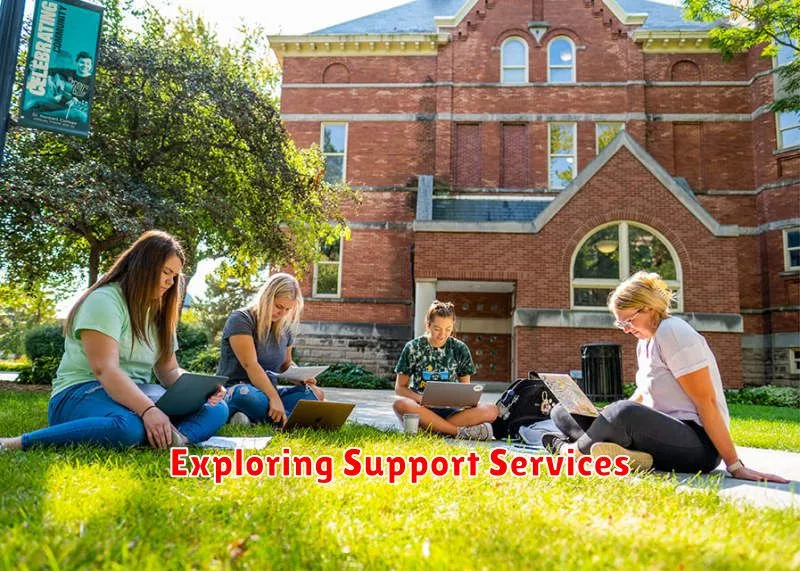
University life presents numerous challenges, both academic and personal. Fortunately, universities offer a wide range of support services designed to help students thrive. Taking advantage of these resources is crucial, especially during your first year.
Academic support can include tutoring services, writing centers, and workshops on study skills and time management. These services can help you develop effective learning strategies and improve your academic performance. Don’t hesitate to reach out if you’re struggling with a particular subject or need help with academic writing.
Personal support services are equally important. Counseling services can provide guidance and support if you’re experiencing stress, anxiety, or other personal challenges. Many universities also offer health services, disability services, and career counseling. Familiarize yourself with the available resources and don’t hesitate to seek help when needed.
Balancing Academics and Social Life
Successfully navigating your first year at university hinges on finding a healthy balance between academic pursuits and a fulfilling social life. Time management is crucial. Create a realistic schedule that allocates sufficient time for studying, attending classes, and completing assignments.
Prioritize your tasks. Identify which academic tasks are most important and tackle those first. This allows you to dedicate appropriate time and energy to essential coursework while still leaving room for social activities.
Get involved in campus life. Joining clubs, attending events, and participating in extracurricular activities can be a great way to meet new people and build a social network. However, be mindful of overcommitting. Choose activities that genuinely interest you and that you can realistically fit into your schedule.
Remember to take breaks. Stepping away from your studies to socialize and relax can actually improve your academic performance by reducing stress and preventing burnout. Schedule downtime into your week and allow yourself to enjoy time with friends and pursue hobbies.
