
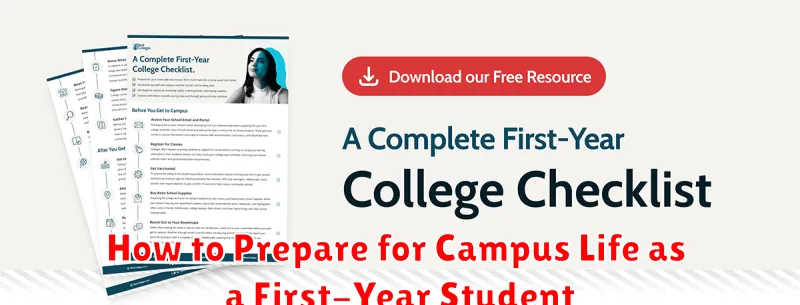
Starting college as a first-year student can be both exciting and daunting. Campus life presents a myriad of new experiences, from navigating academics and managing independent living to forging new friendships and discovering extracurricular activities. Preparing for this significant transition is crucial for a successful and fulfilling first year. This article will equip you with essential tips and guidance on how to prepare for campus life, covering everything from academic planning and packing essentials to social integration and financial management. Successfully navigating your first year hinges on thorough preparation, setting the stage for a rewarding college experience.
Embarking on your college journey requires careful preparation to ensure you are well-equipped to handle the demands of campus life as a first-year student. From understanding college academics and campus resources to mastering time management and budgeting, being proactive in your preparation will empower you to thrive. This article will provide valuable insights into key areas of preparation for first-year students, enabling you to confidently transition into the exciting world of campus life and make the most of your college experience.
Understanding What to Expect Academically
The academic environment in college is a significant shift from high school. Expect a faster pace, with more material covered in less time. Professors will expect you to take initiative in your learning, including independent reading and research.
Time management becomes crucial. You’ll be juggling multiple classes, assignments, and potentially extracurricular activities. Developing strong organizational skills and a study schedule will be essential for success.
Active participation is often encouraged, and class sizes can vary greatly. You might find yourself in small seminars with direct professor interaction or large lectures with hundreds of students. Be prepared for both.
Professor interaction is also different. While professors are there to support you, they expect you to reach out when you need help. Don’t hesitate to attend office hours or email with questions.
Packing Smart for Dorm Living
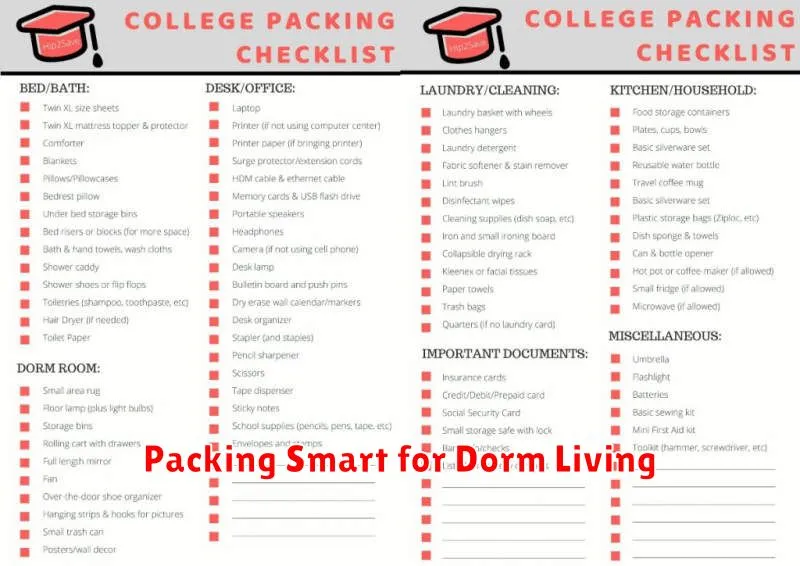
Dorm rooms are notoriously small, so pack light and pack smart. Consider what you’ll absolutely need versus what you can purchase later if necessary. A good strategy is to create a detailed packing list organized by category (clothing, toiletries, electronics, etc.).
Essential clothing items should be prioritized. Pack for all types of weather you expect to experience. Don’t overpack on bulky items like sweaters, as these take up valuable space. Instead, consider layering thinner clothing.
Toiletries can often be purchased upon arrival, saving space and weight in your luggage. Consider bringing travel-sized versions of your essentials to get you started.
When it comes to electronics, ensure you have the necessary chargers and adapters. A small fan can be a lifesaver in older dorm buildings, and a surge protector is a must-have to protect your valuable devices.
Finally, don’t forget some comfort items from home, like a favorite blanket or pillow, to help make your dorm room feel a little more personal.
Meeting Roommates and Making Friends
One of the most exciting and sometimes nerve-wracking aspects of starting college is meeting your roommates and making new friends. Communication is key. Reach out to your roommate(s) before move-in day. A simple introduction can go a long way in establishing a positive relationship. Discuss shared interests, living habits, and expectations for the room.
Orientation and welcome events are excellent opportunities to meet other first-year students. Participate actively in these activities. Don’t be afraid to strike up conversations. Join clubs and organizations that align with your interests. This is a great way to find like-minded individuals.
Be open to new experiences and people. College is a diverse environment, and you’ll meet people from all walks of life. Step outside of your comfort zone. Even a simple “hello” in the dining hall or library can spark a new connection.
Managing Your Time Efficiently
Time management is crucial for success in college. With the increased freedom and flexibility comes the responsibility to structure your own schedule. Failing to manage your time effectively can lead to missed deadlines, poor academic performance, and increased stress.
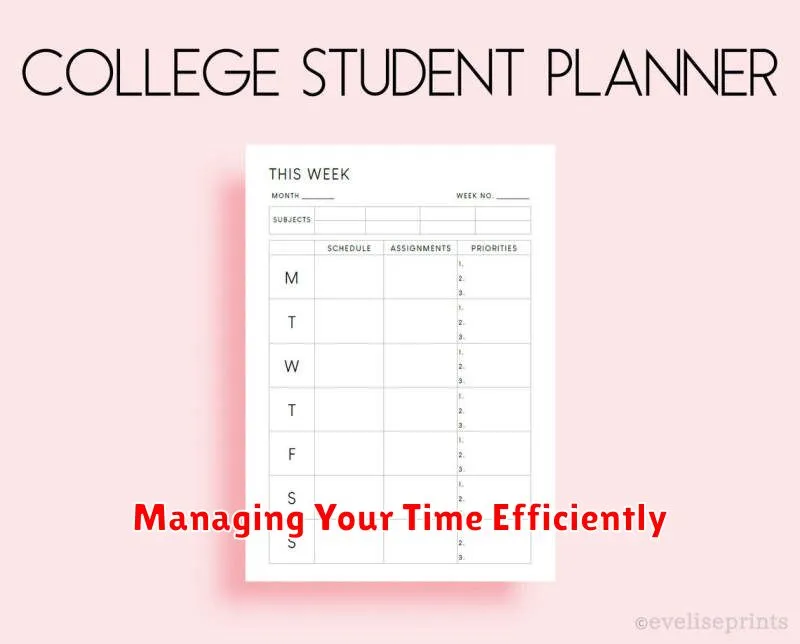
Create a weekly or monthly schedule. Block out time for classes, study sessions, extracurricular activities, and personal commitments. A visual representation of your obligations can help you prioritize tasks and avoid overcommitting.
Prioritize your tasks. Identify the most important and urgent assignments and tackle them first. Break down large projects into smaller, manageable steps to avoid feeling overwhelmed.
Utilize time management techniques like the Pomodoro Technique, which involves focused work intervals followed by short breaks, to maintain concentration and productivity. Experiment to find a method that suits your learning style.
Don’t be afraid to say no to activities or commitments that don’t align with your priorities or if you feel stretched too thin. Protecting your time is essential for academic success and overall well-being.
Learning How to Budget
Creating a budget is essential for successful campus life. It allows you to manage your finances effectively, avoiding unnecessary stress and ensuring you have enough money for essentials.
Begin by tracking your expenses. Note down everything you spend money on for a month. This will give you a clear picture of where your money goes.
Next, categorize your expenses. Common categories include tuition, housing, food, textbooks, transportation, and entertainment.
Establish realistic limits for each category. Prioritize essential expenses and look for areas where you can reduce spending. Preparing meals at home, using public transportation, and taking advantage of student discounts can significantly impact your budget.
Use budgeting tools like spreadsheet software or mobile apps to simplify the process and monitor your progress regularly. Adjust your budget as needed based on your income and expenses.
Knowing Campus Safety Resources
Campus safety is a paramount concern for all students, especially first-year students navigating a new environment. Familiarizing yourself with available resources is crucial for a secure and positive college experience.
Campus Security: Most campuses have a dedicated security department. Learn their contact information and understand their services, which often include patrols, escorts, and emergency response.
Emergency Hotlines: Memorize or program emergency contact numbers into your phone. This includes campus security, local police, and fire departments.
Blue Light Systems: Many campuses utilize blue light emergency phones strategically located throughout the grounds. These provide direct contact with security personnel in case of an emergency.
Safety Apps: Some universities offer mobile safety apps with features like GPS tracking, emergency alerts, and friend walks. Check if your campus provides such a resource.
Orientation and Training: Attend safety orientations and training sessions offered during welcome week or throughout the year. These programs provide valuable information on safety procedures and best practices.
Getting Involved in Student Activities
Participating in student activities is a crucial aspect of the university experience. It provides opportunities to develop essential skills, expand your social network, and discover new interests.
Start by exploring the diverse range of clubs and organizations available on campus. Attend a few introductory meetings to get a feel for the different groups. Consider joining activities related to your academic interests or explore entirely new areas. Don’t be afraid to step outside your comfort zone and try something different.
Time management is key when balancing academics and extracurricular activities. Create a schedule that allows you to dedicate sufficient time to your studies while still actively participating in chosen activities. Be realistic about your commitments and avoid overextending yourself, especially during your first semester.
Student activities offer invaluable opportunities for personal and professional growth. They can enhance your resume, provide leadership experience, and foster a sense of belonging within the campus community. Take advantage of these opportunities to enrich your college experience.
