

Choosing the right college is a pivotal decision that will significantly impact your future. It’s an investment in yourself, your career, and your personal growth. This crucial choice requires careful consideration of your academic goals, career aspirations, financial resources, and personal preferences. Navigating the complex landscape of higher education can feel overwhelming, but with a strategic approach, you can identify the institution that best aligns with your individual needs and sets you on the path to success. This article will provide you with a comprehensive guide on how to choose the right college, covering essential factors to consider, effective research strategies, and practical tips for making an informed decision.
From understanding the nuances of different college types and academic programs to evaluating campus culture and financial aid options, this guide will empower you to make a confident choice. We’ll explore the importance of considering factors such as location, size, and student-faculty ratio. By understanding these key elements and applying the strategies outlined in this article, you can confidently embark on the journey of selecting the right college that will launch you towards achieving your goals.
Assessing Academic Programs
A critical aspect of selecting the right college involves a thorough evaluation of its academic programs. Curriculum strength, faculty expertise, and available resources are key factors to consider.
Begin by researching departments aligned with your intended major. Look for programs with a clear structure, offering a range of courses that delve into specialized areas within your field. Investigate the faculty’s credentials, looking for professors with terminal degrees, publications, and relevant industry experience.
Consider the resources supporting the program. Are there well-equipped labs, studios, or libraries dedicated to your field of study? Look into opportunities for undergraduate research, internships, and other hands-on learning experiences. These factors can greatly enhance your academic journey and prepare you for your future career.
Considering Campus Size and Location
Campus size and location are critical factors to consider when choosing a college. A large university offers a vast array of resources and opportunities, from numerous academic departments to a diverse student body. However, it can also feel impersonal and overwhelming, especially for students transitioning from smaller high schools.
Smaller colleges, conversely, provide a more intimate learning environment with closer interaction with faculty. This can be beneficial for students who thrive in smaller class settings and value personalized attention. However, smaller colleges may offer fewer academic programs and extracurricular activities.
Location plays a significant role in the overall college experience. Consider whether you prefer a bustling urban setting, a quiet suburban environment, or a rural campus surrounded by nature. Think about proximity to family, potential internship opportunities, and the overall cultural atmosphere you desire.
Understanding Tuition and Financial Aid
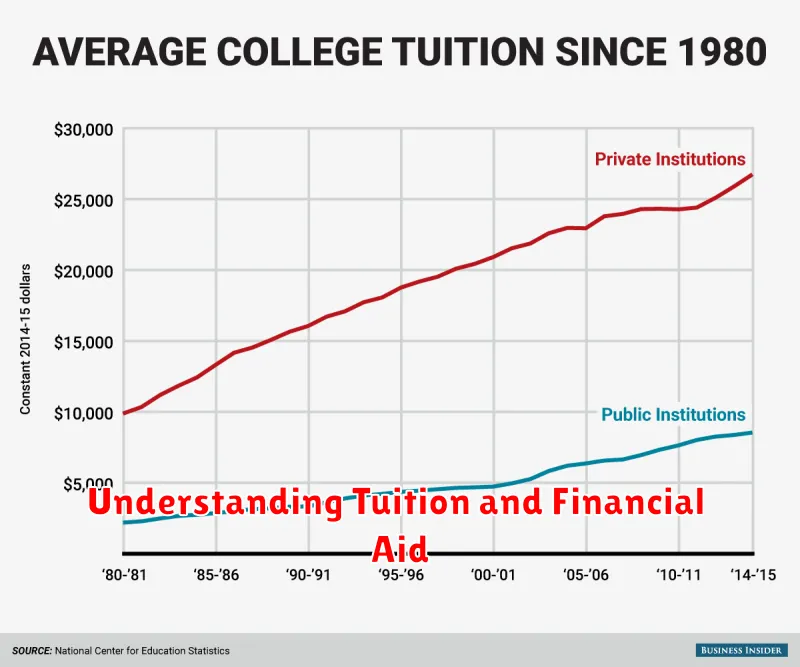
Tuition is the price you pay for attending college courses. It’s important to understand that the sticker price (the advertised tuition) is not always what you’ll end up paying. Many factors influence the final cost, including financial aid and scholarships.
Financial aid can come from various sources, including the federal government, state government, the college itself, and private organizations. The most common types of aid include:
- Grants: Financial aid that doesn’t need to be repaid, often based on financial need.
- Scholarships: Merit-based aid awarded for academic, athletic, or other achievements.
- Loans: Borrowed money that must be repaid with interest.
- Work-study: Part-time employment opportunities to help students earn money for college expenses.
To determine your eligibility for financial aid, you’ll need to complete the Free Application for Federal Student Aid (FAFSA). This form collects information about your family’s finances and is used to calculate your Expected Family Contribution (EFC).
Understanding the interplay between tuition and financial aid is crucial in making informed decisions about college affordability.
Looking at Student Life and Culture
Student life and culture play a crucial role in the overall college experience. A thriving campus environment can significantly impact your academic success, personal growth, and overall well-being.
Consider the following when evaluating a college’s student life:
- Campus Activities and Organizations: Does the college offer clubs and organizations that align with your interests? A diverse range of extracurricular activities provides opportunities to explore new passions, develop leadership skills, and build a social network.
- Residential Life: Explore on-campus housing options and consider factors such as dorm size, amenities, and the overall residential community. Living on campus can foster a sense of belonging and provide easy access to academic resources and social events.
- Campus Culture and Values: Research the college’s mission and values. Look for a community that supports your personal beliefs and promotes an inclusive and respectful environment. Consider visiting the campus to observe student interactions and get a feel for the overall atmosphere.
By carefully considering these aspects of student life, you can choose a college that offers a supportive and enriching environment to complement your academic pursuits.
Checking Internship and Job Placement Rates
Internship and job placement rates are crucial factors to consider when choosing a college. These metrics provide valuable insights into the potential return on your educational investment and the effectiveness of the college’s career services.
Where to Find This Information: Typically, colleges publish this data on their websites, often within the career services or institutional research sections. Look for official reports or fact sheets. You can also contact the admissions office directly to inquire about these statistics.
Understanding the Data: Pay attention to the types of internships offered. Are they relevant to your intended field of study? Examine the job placement rate, which indicates the percentage of graduates who secure employment within a specific timeframe after graduation (e.g., six months or one year). Consider the quality of the placements. Are graduates finding jobs in their chosen fields, or are they accepting positions unrelated to their degrees?
Comparing Across Colleges: Use these statistics to compare different colleges you are considering. However, remember that these are just one factor among many. Don’t base your decision solely on placement rates. Consider factors such as academic programs, faculty expertise, and overall campus environment.
Exploring Faculty and Research Opportunities
Faculty expertise plays a crucial role in shaping your academic experience. Investigate the professors’ backgrounds within your intended major. Look for faculty with published research, experience in the field, and a teaching style that aligns with your learning preferences.
Research opportunities can significantly enrich your undergraduate education. Explore whether the college offers undergraduate research programs, particularly within your field of interest. Look for opportunities to assist professors with their research or participate in independent projects. Consider the availability of research facilities and funding opportunities.
Attending presentations, lectures or even reaching out to current students can provide valuable insights into the college’s research environment.
Visiting Campuses and Asking Questions

Visiting prospective colleges is a crucial step in the selection process. Experiencing the campus environment firsthand provides invaluable insights beyond brochures and websites.
Plan your visits strategically. Schedule tours during the academic year to observe classes in session and student life in action. Attend information sessions and speak with admissions counselors.
Prepare a list of important questions before you arrive. Inquire about academic programs, research opportunities, financial aid options, and career services. Don’t hesitate to ask about campus safety, student support services, and extracurricular activities.
Go beyond the official tour. Explore the surrounding area, visit the library, and observe student interactions. Imagine yourself as a student on this campus. Does the environment feel like a good fit for your academic and personal goals?
