
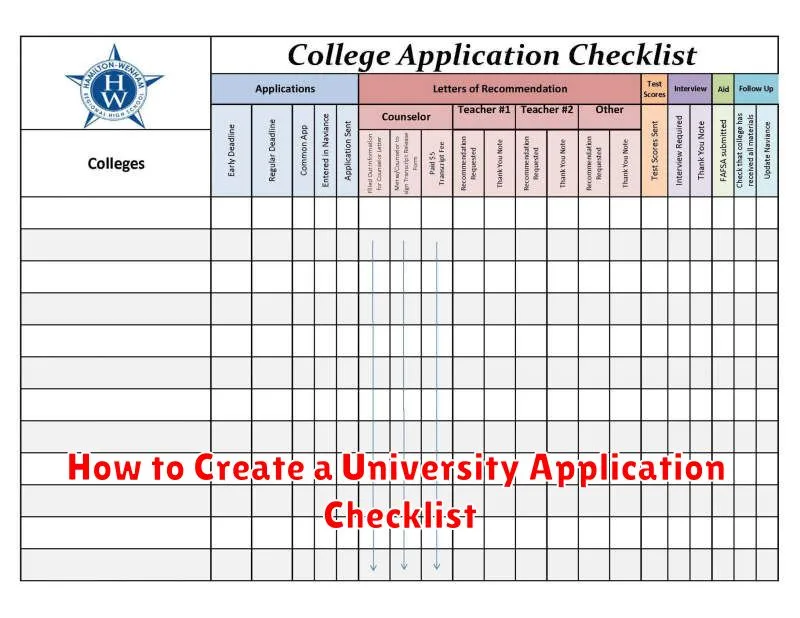
Applying to university can be a daunting process, filled with numerous requirements and deadlines. Creating a comprehensive university application checklist is crucial for staying organized and ensuring you submit a strong and complete application. This checklist will serve as your roadmap, guiding you through each step, from researching universities and gathering application materials to submitting your application and following up. A well-structured checklist helps mitigate stress and increases your chances of acceptance into your desired program.
This article will provide a step-by-step guide on how to create a personalized university application checklist tailored to your specific needs. We will cover essential components such as standardized test scores (SAT, ACT), transcripts, letters of recommendation, essays, and application fees. Learn how to prioritize tasks, set realistic deadlines, and track your progress effectively. By following these guidelines, you can streamline the university application process, minimizing potential errors and maximizing your chances of university acceptance.
Identifying Application Deadlines
Meeting application deadlines is crucial for a successful university application. Missing a deadline can disqualify your application, regardless of its strength. Therefore, early identification and careful tracking of deadlines are essential parts of the application process.
Start by researching each university’s specific deadlines. These vary significantly between institutions and even between programs within the same university. Some universities offer multiple application rounds (e.g., early action, early decision, regular decision) each with its own deadline.
Create a calendar or spreadsheet to track deadlines. Include key dates such as application submission deadlines, standardized test score reporting deadlines, and financial aid application deadlines. Set reminders well in advance to avoid last-minute rushes.
Be mindful of rolling admissions. Universities with rolling admissions review applications as they are received and make decisions on a continuous basis. While there’s often a final deadline, applying earlier can improve your chances as spaces fill up.
Standardized Test Scores (SAT, ACT, etc.)
Standardized tests like the SAT and ACT play a significant role in many university applications. Check the specific requirements for each university you’re applying to, as some may require them, recommend them, or make them optional.
If the tests are required or recommended, ensure you register and take the tests well in advance of application deadlines. Factor in time for potential retakes if you’re aiming for a specific score. Request that your official scores be sent directly to the universities you’re applying to.
Keep track of registration deadlines, test dates, and score release dates. This information is crucial for managing your application timeline effectively.
Collecting Transcripts and Academic Records
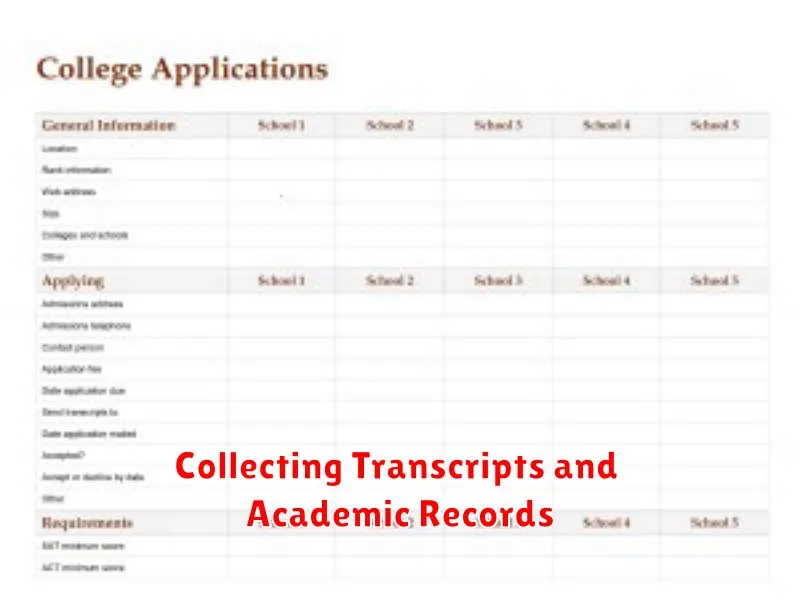
Requesting and gathering your academic records is a crucial step in the university application process. Start early, as obtaining these documents can sometimes take several weeks.
High School Transcripts: Contact your high school’s registrar or guidance office to request official transcripts. Specify the universities where you want them sent directly. Keep track of deadlines and confirm successful delivery.
College Transcripts (if applicable): If you’ve taken college courses, request official transcripts from each institution attended. Follow the same procedure as with your high school transcripts.
GED Scores (if applicable): If applicable, arrange for your official GED scores to be sent to the universities you are applying to.
International Baccalaureate (IB) or Advanced Placement (AP) Scores (if applicable): If you’ve taken IB or AP exams, ensure official score reports are sent to the universities directly from the testing agency.
Requesting Recommendation Letters
Recommendation letters are a crucial part of your university application. They offer a third-party perspective on your abilities, character, and potential. Begin this process early.
Identify potential recommenders. Think about teachers, counselors, or mentors who know you well and can speak positively about your academic and personal qualities. Choose individuals who have witnessed your growth and can provide specific examples of your strengths.
Make the request politely and professionally. Provide your recommender with all necessary information, including your transcripts, resume, and a list of the universities you’re applying to. Clearly state the deadlines for each application. Give them ample time, ideally 4-6 weeks, to write the letter.
Follow up respectfully. After sending your initial request, send a polite follow-up email closer to the deadline to ensure they haven’t forgotten. After they submit their letter, express your sincere gratitude for their time and support.
Writing the Personal Statement
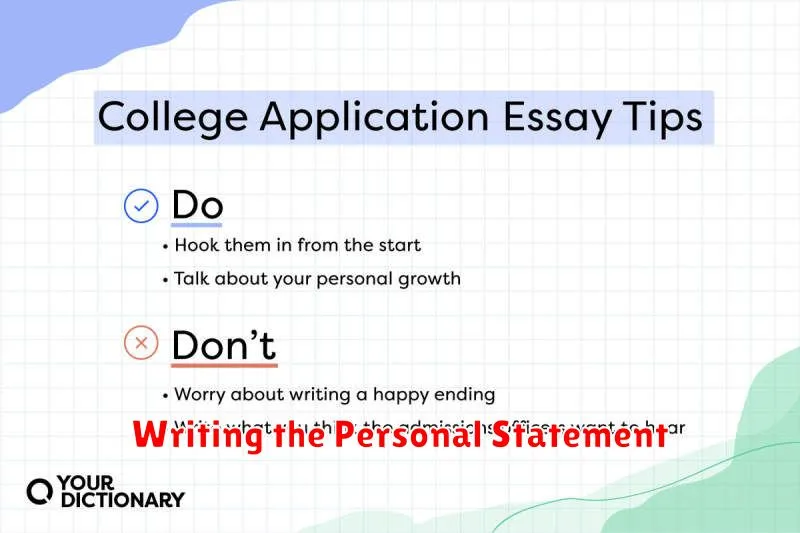
The personal statement is a crucial part of your university application. It allows you to showcase your personality, experiences, and aspirations to the admissions committee. It’s your opportunity to tell your unique story and explain why you’re a good fit for the program.
Brainstorming is the first step. Reflect on your experiences, skills, and motivations. What events shaped you? What are your strengths? Why are you passionate about this particular field of study? Consider creating a list or mind map to organize your thoughts.
Structure your statement logically. A common approach is to introduce yourself and your interests, delve into relevant experiences providing specific examples, and conclude by reiterating your enthusiasm and suitability for the program.
Revision is essential. Proofread carefully for grammar and spelling errors. Ask teachers, mentors, or advisors to review your statement for clarity and impact. Ensure your final draft is polished and reflects your best self.
Filling Out Financial Aid Forms
Completing financial aid forms is a crucial step in the university application process, especially if you require financial assistance. Accuracy and thoroughness are essential when providing financial information.
Begin by researching each university’s specific financial aid deadlines. These deadlines often differ from application deadlines, so mark them clearly on your calendar. Gather all necessary financial documents, such as tax returns, W-2 forms, and bank statements, beforehand. This will streamline the process and ensure you have everything readily available.
Carefully review each question on the forms and provide honest and accurate answers. If you have any questions or encounter any difficulties, don’t hesitate to contact the financial aid office of the university you’re applying to. They are there to help guide you through the process.
Tracking Submissions and Confirmations
Meticulous tracking is crucial throughout the application process. Create a system to monitor your submissions and the subsequent confirmations.
A simple spreadsheet or a dedicated application tracker can be invaluable. Include columns for each university, application components (transcripts, recommendations, test scores, essays), submission dates, and confirmation statuses. This allows you to quickly identify any missing items or delays.
Regularly check your email and application portals for updates. Note down confirmation dates and any additional requirements. Promptly follow up on any outstanding items to ensure your application is complete and reviewed on time.
