

Joining student organizations is a crucial aspect of the college experience. Active participation in these groups offers a plethora of benefits, contributing significantly to both personal and academic growth. Student organizations provide a platform for students to develop leadership skills, cultivate networking opportunities, and explore various interests. Whether you’re passionate about academic pursuits, creative arts, community service, or cultural exchange, there’s undoubtedly a student organization on campus that aligns with your passions. Finding the right fit can enrich your college journey, fostering a sense of belonging and providing invaluable experiences that extend far beyond the classroom.
This comprehensive guide serves as a valuable resource for navigating the diverse landscape of student organizations on campus. We will delve into the numerous advantages of joining these groups, offering practical strategies for identifying student organizations that resonate with your individual goals and interests. From academic clubs and professional societies to sports teams and volunteer groups, this guide will equip you with the knowledge and tools you need to successfully integrate into campus life and maximize your college experience. Discover how student organizations can empower you to build lasting friendships, enhance your resume, and discover new passions.
Benefits of Being Active on Campus
Participating in campus activities offers numerous advantages that enrich the college experience. Personal growth is a significant benefit. Involvement allows students to develop leadership skills, improve communication and teamwork abilities, and gain practical experience outside the classroom.
Networking is another key advantage. Joining clubs and organizations provides opportunities to connect with peers, faculty, and alumni, expanding your professional network and fostering valuable relationships.
Active involvement also enhances your academic performance. Many organizations offer academic support, tutoring, and mentorship programs. Additionally, the time management and organizational skills developed through participation translate to better academic habits.
Finally, being active on campus contributes significantly to your overall well-being. It helps students find a sense of belonging and community, reducing stress and promoting a more positive college experience.
Finding Organizations That Fit Your Interests
With a multitude of student organizations available, finding the right fit is crucial. Begin by identifying your interests. What are you passionate about? What skills do you want to develop? What causes do you care about? Answering these questions will help narrow your search.
Explore campus resources. Most universities offer online directories or student activity fairs that showcase available organizations. Take advantage of these resources to learn about each group’s mission, activities, and membership requirements.
Attend introductory meetings. Many organizations host open houses or introductory meetings at the beginning of the semester. This is an excellent opportunity to meet current members, ask questions, and get a feel for the organization’s culture. Don’t be afraid to attend multiple meetings to explore different options.
Attending Club Fairs and Info Sessions

Club fairs and info sessions are essential for finding student organizations that align with your interests. These events provide a platform to meet club members, learn about activities, and ask questions.
Club fairs typically showcase a wide variety of organizations in a single location. This allows you to efficiently explore different options and gather information from multiple clubs. Take advantage of this opportunity to collect brochures, sign up for mailing lists, and make initial connections.
Info sessions, often hosted by individual clubs, offer a more in-depth look at a specific organization. These sessions usually involve presentations, Q&A segments, and opportunities for informal interaction with current members. They are an excellent way to gain a deeper understanding of a club’s culture, commitments, and activities.
Before attending these events, consider your interests and goals. Prepare a few questions to ask representatives to maximize your time and gain valuable insights. Don’t be afraid to approach clubs that pique your interest, even if you’re unsure about joining. These events are designed to help you explore and connect with the campus community.
Balancing Extracurriculars with Academics
Joining student organizations is a rewarding experience, but it’s crucial to maintain a healthy balance between extracurricular activities and your academic responsibilities. Time management is key to successfully navigating both.
Start by creating a realistic schedule. Assess your academic workload and the time commitment required for each extracurricular activity. Use a planner, calendar, or app to block out dedicated time for studying, attending classes, and participating in extracurriculars. Be honest about how much you can handle and prioritize accordingly.
Prioritization is essential. Identify your most important academic tasks and extracurricular commitments. If needed, consider reducing your involvement in certain activities to ensure you have enough time to excel in your studies.
Don’t be afraid to seek support. Talk to your academic advisor or student organization leaders if you’re struggling to balance your commitments. They can offer valuable advice and resources to help you manage your time effectively.
Leadership Opportunities in Student Groups
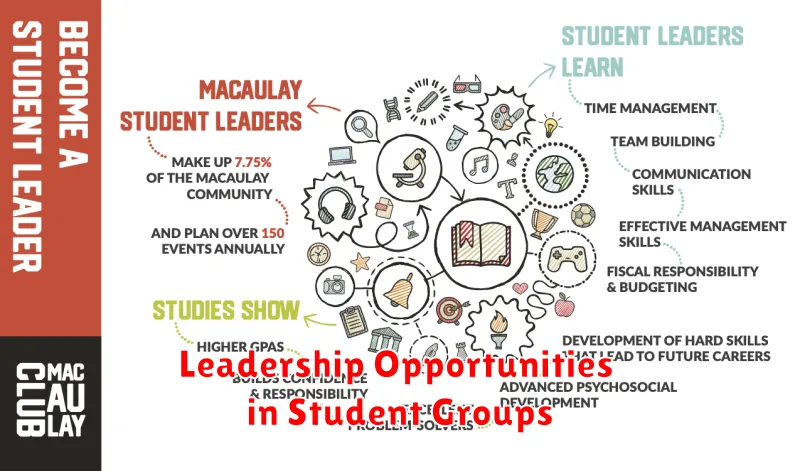
Joining a student organization offers more than just social connections; it provides valuable opportunities to develop and demonstrate leadership skills. Many groups feature a structured leadership hierarchy, offering a pathway for members to take on increasing responsibilities.
Common leadership positions within student organizations include president, vice president, treasurer, secretary, and various committee chair roles. These positions provide practical experience in areas like project management, financial administration, event planning, and team leadership.
Even without holding a formal title, students can demonstrate leadership by actively participating in group initiatives, mentoring new members, and taking the initiative to propose and implement new ideas. These experiences build critical thinking, communication, and problem-solving skills highly valued by future employers.
Participating in leadership roles within student organizations also allows students to build their network, gaining connections with peers, faculty advisors, and even potential employers who may interact with student groups.
Networking Through Student Activities
Joining student organizations provides invaluable networking opportunities. Active participation allows you to connect with peers who share similar interests, expanding your social circle and building relationships that can extend beyond your college years.
These connections can be professionally beneficial as well. Many organizations host networking events with alumni and industry professionals. This offers a chance to learn from experienced individuals in your field, gain insights into career paths, and potentially even secure internships or job opportunities.
Furthermore, the collaborative nature of student organizations fosters teamwork and leadership skills. These are highly valued by employers and can give you a competitive edge in the job market. Through collaboration, you develop communication and problem-solving abilities while building your network simultaneously.
Building a Resume with Campus Involvement
Campus involvement significantly enhances your resume, demonstrating valuable skills sought by employers. Participation in student organizations provides concrete examples of leadership, teamwork, communication, and problem-solving abilities.
When listing activities on your resume, quantify your achievements whenever possible. Instead of simply stating you were the club treasurer, specify the budget you managed. Highlighting accomplishments with quantifiable data provides a stronger impact.
Effectively showcasing your involvement involves:
- Listing the organization’s name and your role.
- Briefly describing the organization’s purpose.
- Detailing specific accomplishments and responsibilities, using action verbs.
By strategically presenting your campus involvement, you create a compelling resume that sets you apart from other candidates.
