

Embark on a journey through the aesthetically captivating campuses of the United States. This article explores the top 10 US colleges renowned for their beautiful architecture, showcasing stunning edifices that blend historical grandeur with modern innovation. From iconic ivy-covered halls to breathtaking contemporary structures, these institutions offer a feast for the eyes and a glimpse into the rich architectural heritage of American higher education. Discover the architectural gems that grace these campuses and learn why they are considered among the most beautiful in the nation.
Choosing a college is a significant decision, and the campus environment plays a vital role in shaping the student experience. For those who appreciate aesthetics and historical significance, this curated list of top 10 US colleges with beautiful architecture offers invaluable insights. Delve into the details of each campus, exploring the distinct architectural styles, prominent landmarks, and the unique atmosphere they create. Prepare to be inspired by the stunning architecture that defines these exceptional institutions and discover the perfect blend of academic excellence and aesthetic beauty.
Princeton University
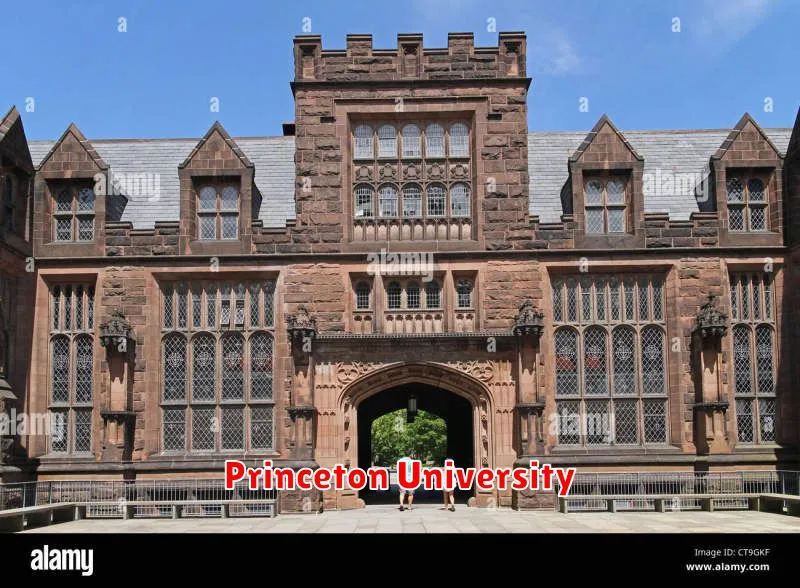
Located in the quaint town of Princeton, New Jersey, Princeton University boasts an impressive collection of collegiate gothic architecture. Nassau Hall, the oldest building on campus, stands as a powerful symbol of the university’s rich history. Completed in 1756, it served as the temporary capitol of the United States.
The University Chapel, completed in 1928, is another architectural marvel. Its towering presence and intricate stained glass windows create a truly awe-inspiring space. Other noteworthy structures include the collegiate gothic dormitories and the modernist Lewis Library, designed by Frank Gehry, offering a striking contrast to the traditional architecture surrounding it.
Princeton’s campus is known for its carefully manicured lawns and courtyards, enhancing the beauty of its buildings. The harmonious blend of old and new architecture creates a unique atmosphere that embodies both tradition and innovation.
University of Virginia

Founded by Thomas Jefferson in 1819, the University of Virginia stands as a prime example of neoclassical architecture. The Academical Village, the heart of the university, is a UNESCO World Heritage Site.
Jefferson’s design meticulously incorporates elements inspired by ancient Roman and Greek architecture. The Rotunda, modeled after the Pantheon, serves as the library and a symbolic center of learning. Its iconic dome and classical columns epitomize the university’s commitment to intellectual pursuit.
The surrounding pavilions and student rooms, connected by colonnades, create a unified and harmonious architectural landscape. The use of red brick, white columns, and verdant lawns further enhances the visual appeal of the campus, making it a truly beautiful and inspiring environment for students and visitors alike.
Yale University

Located in New Haven, Connecticut, Yale University boasts a stunning array of architectural styles spanning centuries. The collegiate gothic style dominates the campus, evident in iconic structures like Sterling Memorial Library and Harkness Tower. These buildings evoke a sense of history and tradition, with their intricate stone carvings and soaring arches.
Beyond the gothic, Yale also features examples of Georgian, Colonial, and Modernist architecture. This diversity reflects the university’s long and evolving history. The Beinecke Rare Book & Manuscript Library, with its translucent marble walls, stands as a striking example of modern design.
Yale’s commitment to preserving its architectural heritage while embracing contemporary design makes it a truly remarkable campus to explore.
University of Chicago

Established in 1890, the University of Chicago boasts a collegiate gothic style that evokes the esteemed universities of Oxford and Cambridge. The campus’s prominent use of limestone, arched doorways, and intricate detailing contributes to its timeless aesthetic.
Key architectural highlights include the iconic Cobb Gate, the majestic Rockefeller Chapel, and the quadrangles that define the campus core. The university has also embraced modern architecture, with notable buildings such as the Joe and Rika Mansueto Library and the Booth School of Business. This blend of old and new creates a dynamic and visually stimulating environment.
Rice University
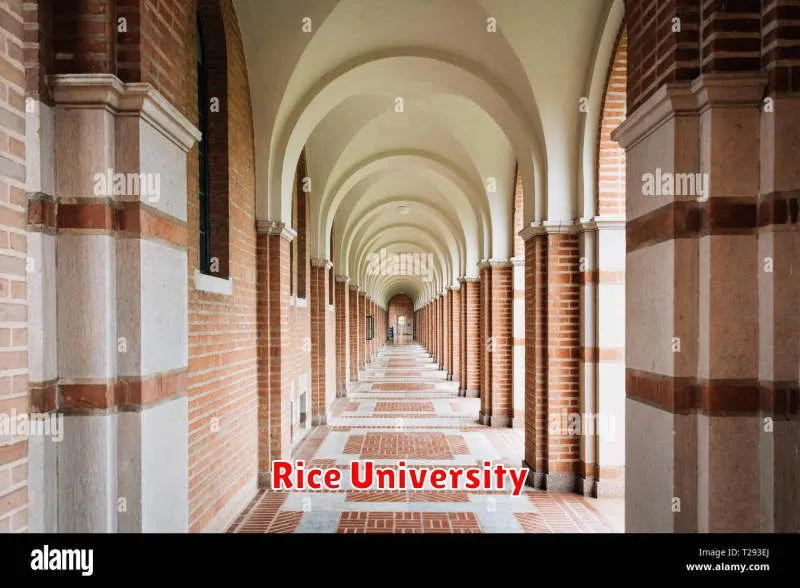
Located in Houston, Texas, Rice University’s architecture is predominantly Byzantine in style. This gives the campus a cohesive and visually stunning aesthetic. Lovett Hall, the university’s administrative building, is a prime example of this architectural influence, with its iconic dome and arched walkways.
Beyond the Byzantine elements, Rice University also incorporates Mediterranean and Southern American architectural styles, creating a unique blend. The extensive use of brick, stone, and landscaping contributes to the campus’s overall beauty. The lush green spaces and quadrangles provide a tranquil environment for study and reflection.
The Academic Quadrangle, anchored by Lovett Hall, is the heart of the campus. Its symmetrical design and meticulous landscaping create a sense of order and grandeur. The surrounding buildings, also designed in the Byzantine style, further enhance this visual harmony.
University of Washington

Located in Seattle, the University of Washington boasts a stunning campus renowned for its Collegiate Gothic architecture. Suzzallo Library, with its high vaulted ceilings and intricate detailing, stands as a prominent example. The reading room is especially breathtaking.
The campus also features several open spaces and quads, including the iconic Red Square, which provides a picturesque gathering spot surrounded by beautiful buildings. The landscaping, featuring cherry blossoms in the spring, further enhances the campus’s beauty.
Beyond the Collegiate Gothic style, the University of Washington showcases a diverse range of architectural styles, reflecting its growth and development over time.
University of Notre Dame

Located in Notre Dame, Indiana, the University of Notre Dame boasts stunning Collegiate Gothic architecture. The Golden Dome atop the Main Building is an iconic symbol of the university and a must-see for visitors.
The Basilica of the Sacred Heart is another architectural marvel on campus. This magnificent church features intricate stained-glass windows, soaring ceilings, and impressive stonework.
Other noteworthy buildings include the Hesburgh Library with its iconic “Touchdown Jesus” mural, and the Snite Museum of Art.
Furman University

Located in Greenville, South Carolina, Furman University is renowned for its stunning campus, often cited as one of the most beautiful in the country. The university’s architecture showcases a blend of Georgian and colonial styles, creating a timeless and elegant aesthetic.
The iconic bell tower, a prominent feature of the campus skyline, serves as a focal point and a symbol of the university’s rich history. Red brick buildings, adorned with white columns and lush landscaping, contribute to the campus’s distinctive charm.
The Asian Garden provides a serene space for reflection and study, showcasing the university’s commitment to creating a harmonious environment.
Furman’s deliberate architectural choices foster a sense of community and intellectual curiosity, contributing to the overall enriching experience for students and visitors alike. The meticulous upkeep and preservation of these historic structures underscore the university’s dedication to its architectural legacy.
Pepperdine University

Located in Malibu, California, Pepperdine University offers breathtaking views of the Pacific Ocean. Its Mediterranean Revival style architecture, characterized by red tile roofs, white stucco walls, and arched doorways, creates a visually stunning campus.
The central campus is reminiscent of a picturesque Italian village. Key buildings like the Stauffer Chapel, with its prominent bell tower, contribute significantly to the campus’s aesthetic appeal. The surrounding landscape, including lush gardens and the vast ocean expanse, enhances the overall beauty of the university.
Bryn Mawr College

Located just outside Philadelphia, Bryn Mawr College is renowned for its stunning Collegiate Gothic architecture. The campus’s signature style, characterized by pointed arches, towers, and intricate stonework, creates a timeless and scholarly atmosphere.
Taylor Hall, the college’s main administrative building, serves as a prime example of this architectural beauty. Its imposing facade and ornate details make it a focal point of the campus. Other notable buildings include the M. Carey Thomas Library, with its high ceilings and grand reading room, and Goodhart Hall, a magnificent performance space.
The landscaped grounds further enhance Bryn Mawr’s aesthetic appeal. Courtyards, gardens, and tree-lined pathways offer serene spaces for contemplation and study, complementing the grandeur of the buildings.
